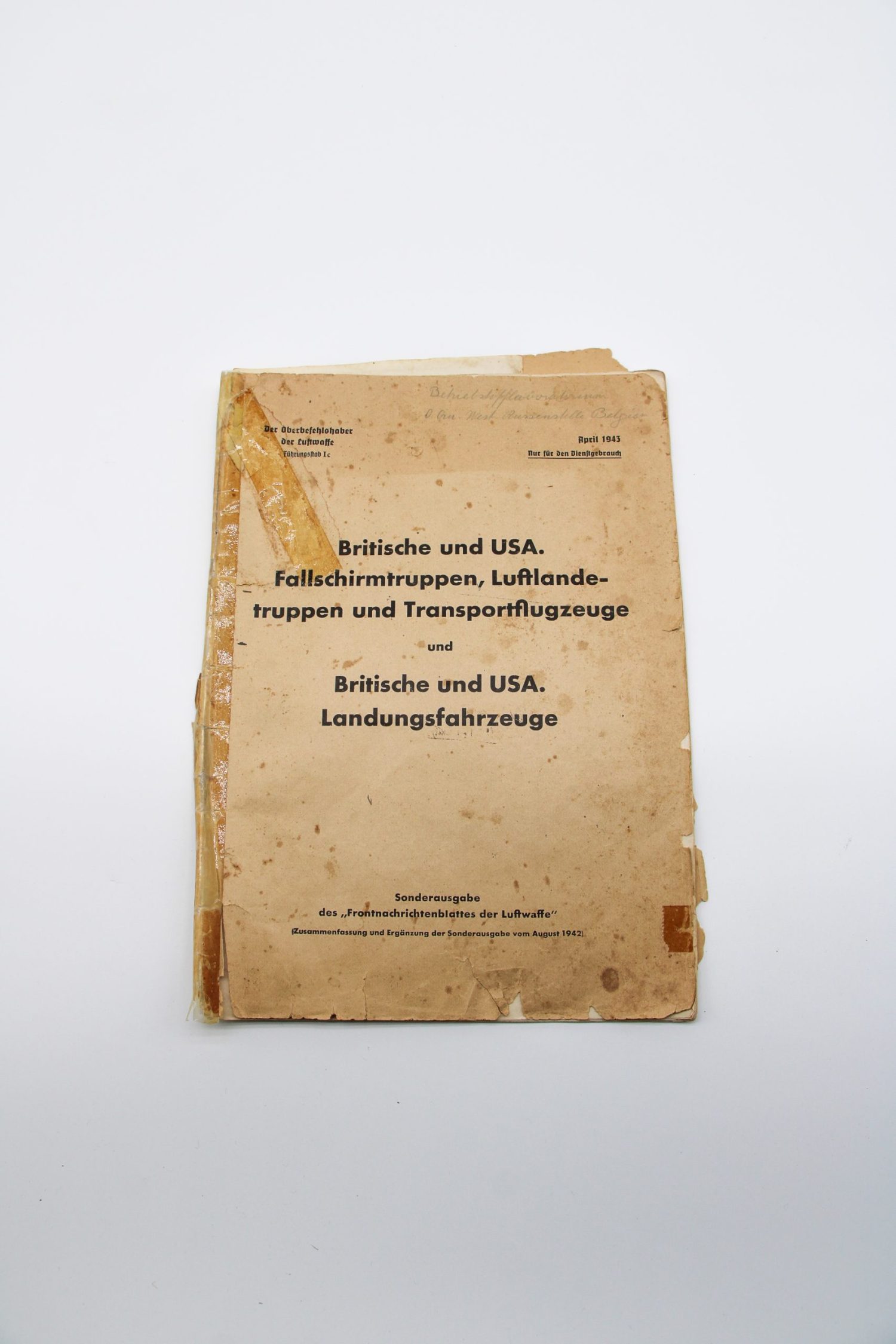
A collection dedicated to the Fallschirmjäger
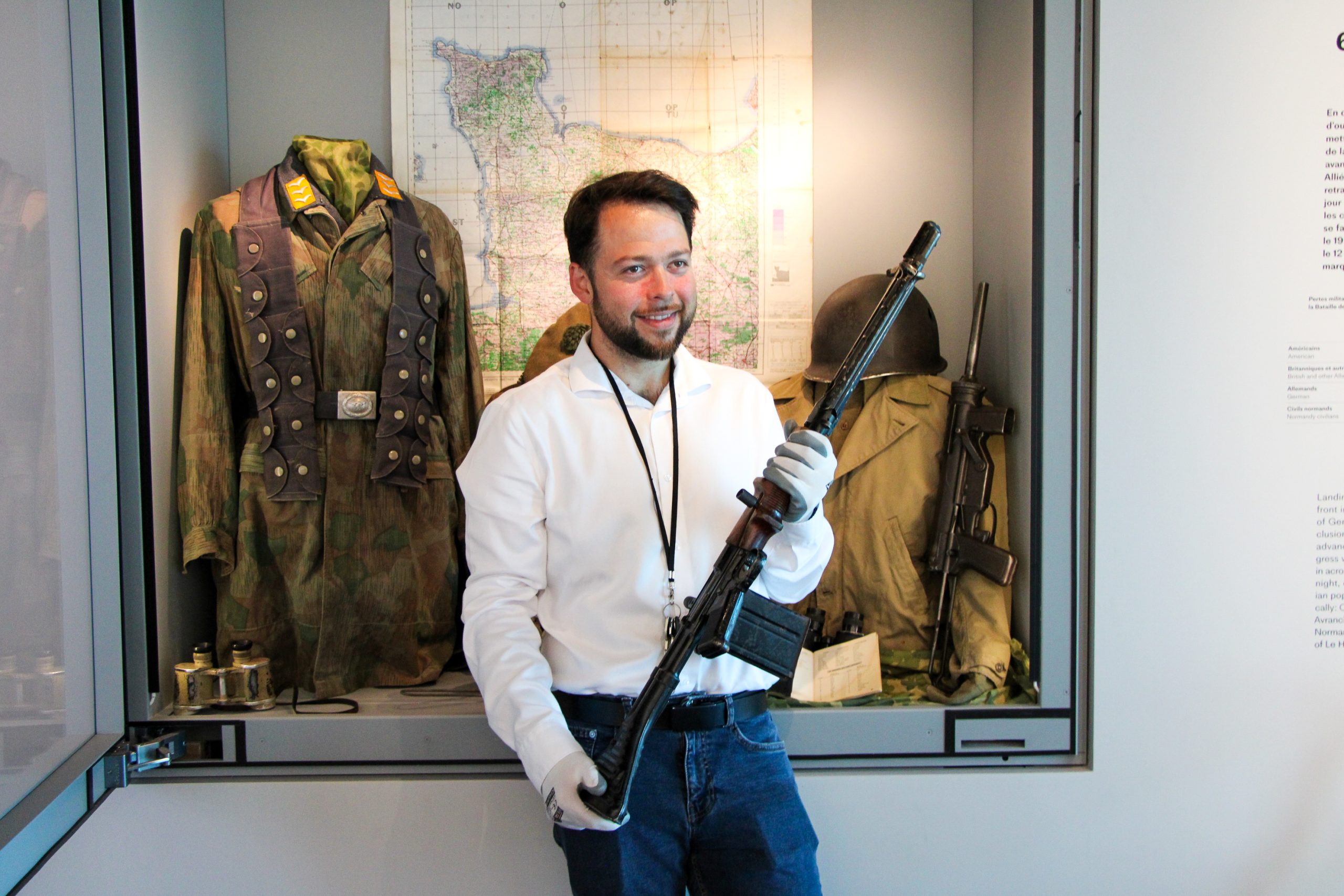
The D-Day Museum is enhancing its exhibition with the display of several new items relating to the German paratroopers who saw action in Normandy in 1944.
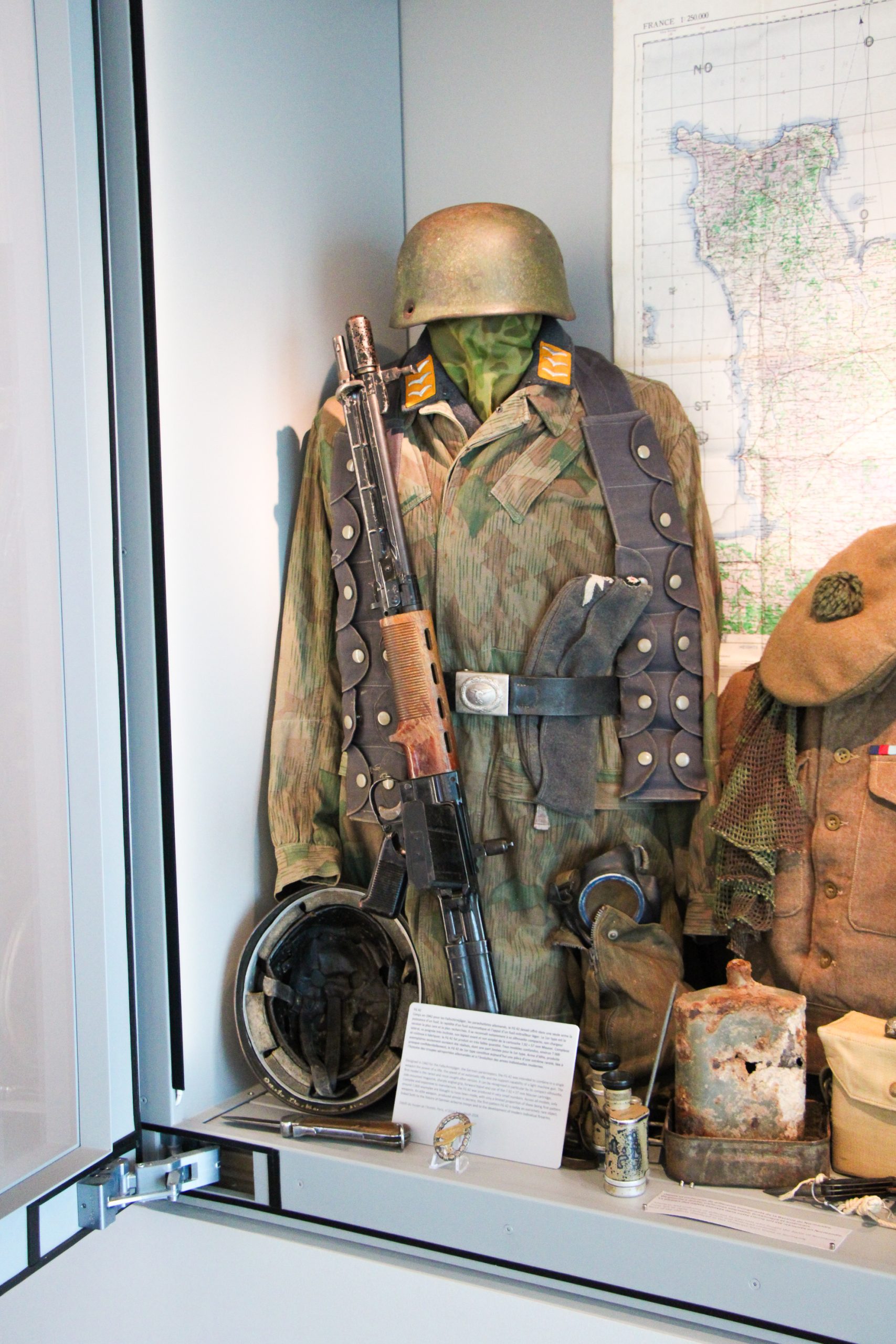
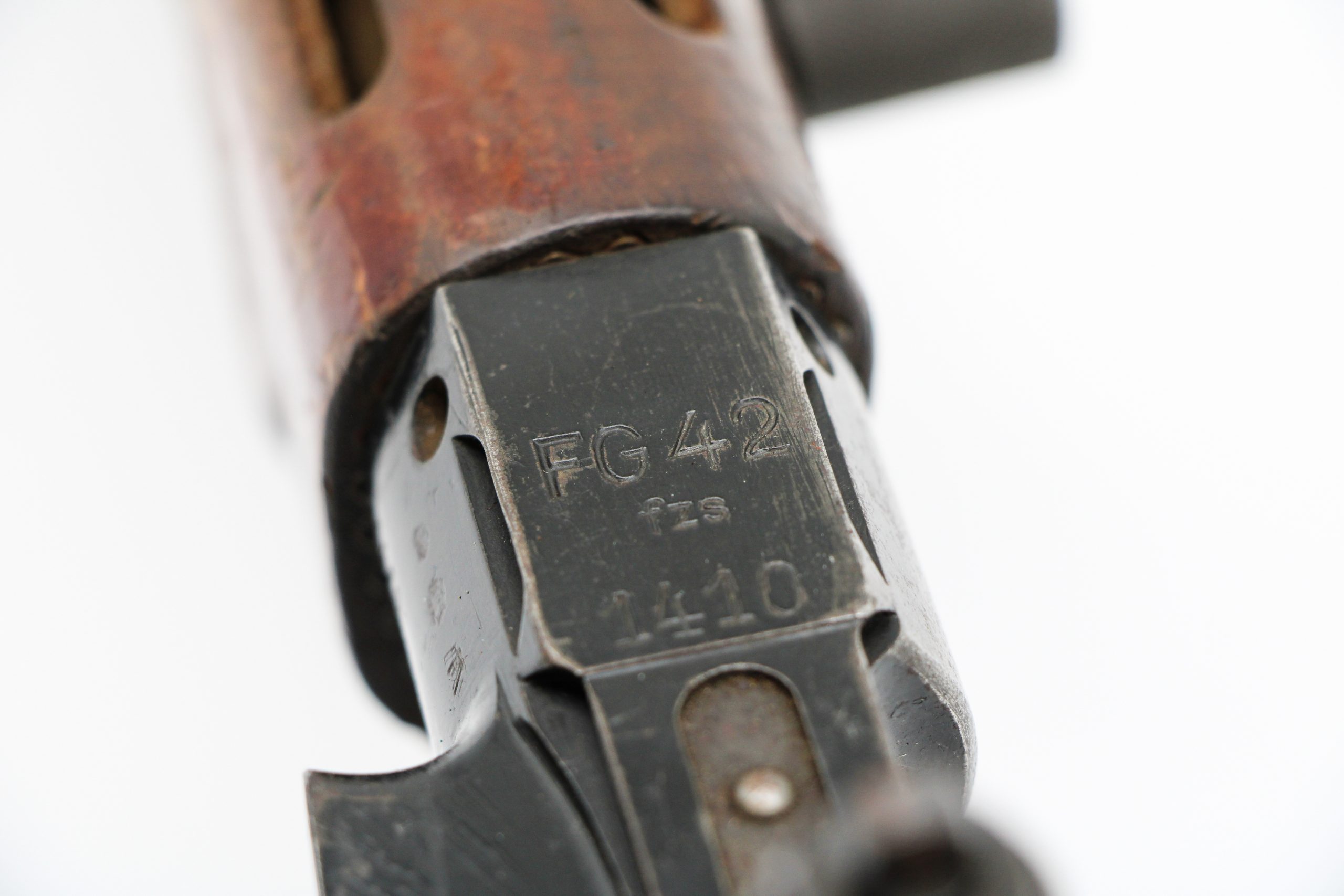
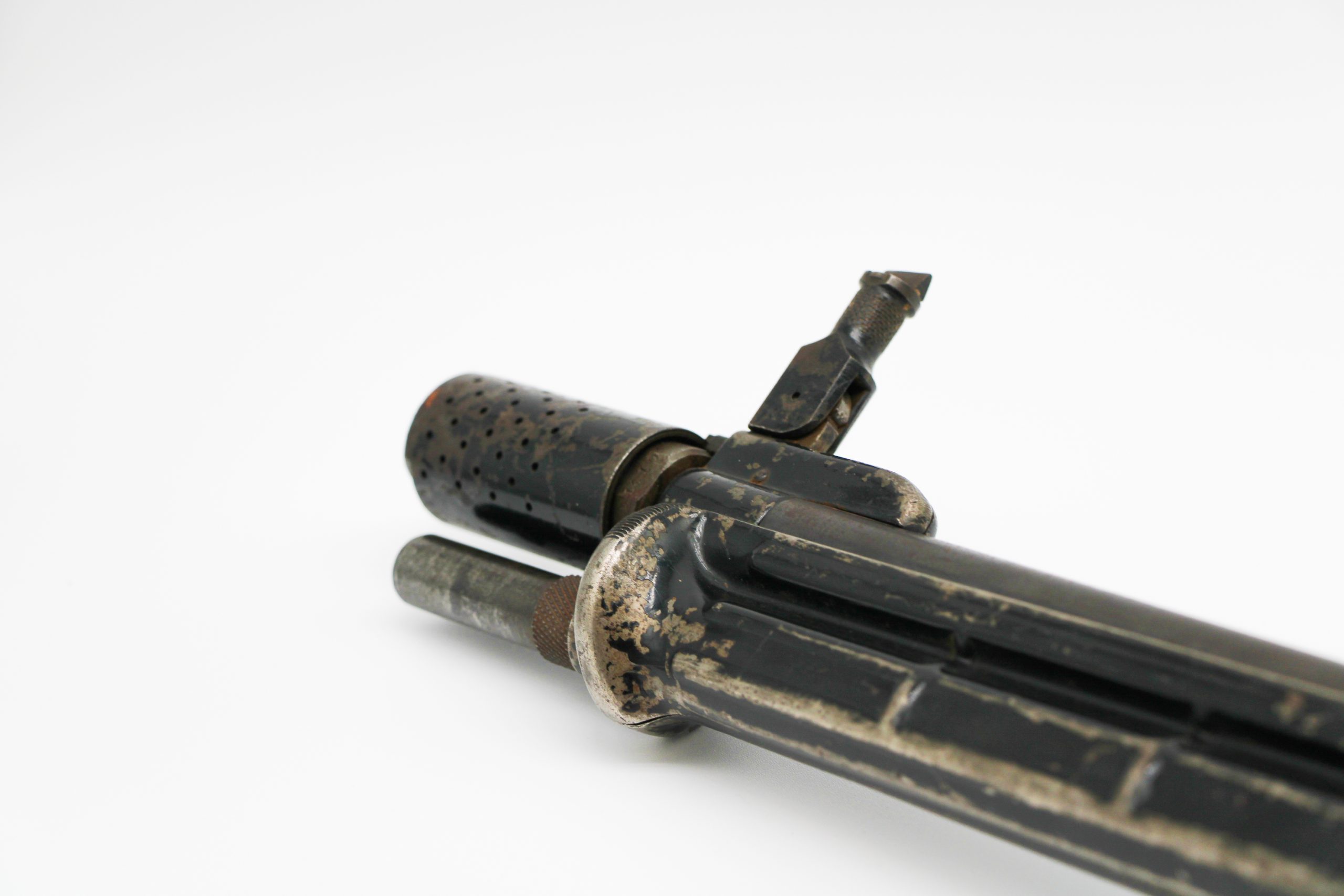
Displayed together in a single showcase, these objects provide a tangible insight into the weapons, uniforms and equipment typically used by the Fallschirmjäger during the Battle of Normandy. This collection includes, in particular, an early-type FG 42, model E, a very rare Knochensack jump jacket in Splinter B camouflage, and two helmets associated with Fallschirmjäger-Regiment 6.
The FG 42, an iconic weapon of the German paratroopers
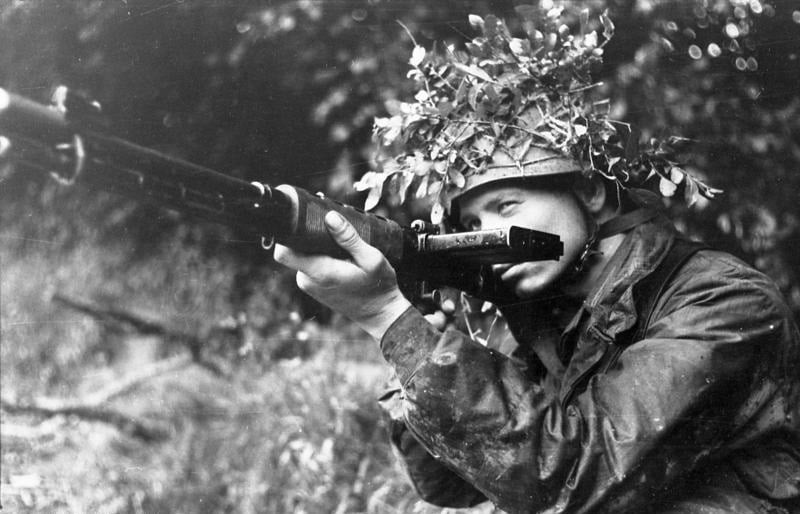
Developed specifically for the German airborne troops, the Fallschirmjägergewehr 42, more commonly known as the FG 42, was designed to combine the capabilities of a standard rifle with the firepower of an automatic weapon.
Across all versions, around 7,000 were reportedly manufactured during the Second World War, including nearly 2,000 of the first type. Today, only around fifty weapons of this model are believed to remain in existence worldwide, making the first-type FG 42 a particularly rare item in both public and private collections.
A rare Splinter B camouflage jump jacket
Displayed alongside the FG 42 is an original Knochensack jump jacket in Splinter B camouflage.
This particularly rare item recreates the appearance of a German paratrooper during combat. Designed specifically for the Fallschirmjäger, the jump jacket is one of the most distinctive features of their uniform.
The display is complemented by a helmet associated with Fallschirmjäger-Regiment 6, one of the German paratrooper units deployed in Normandy during the summer of 1944.
A second helmet linked to the same regiment completes this display.
A new exhibition to discover at the museum
By bringing together in a single display case such an iconic weapon as the FG 42, a rare camouflaged parachute jacket and helmets associated with Fallschirmjäger-Regiment 6, the D-Day Museum aims to offer visitors both a physical and historical insight into the equipment used by the German paratroopers who fought in Normandy.
The D-Day Museum would like to thank Denis Lelandais for lending several of these items, as well as Julien Chevalier for his valuable advice, which has contributed to this new exhibition.